Not sure where to start?
Speak to our team and we'll guide you to the right solution
Speak to our team and we'll guide you to the right solution
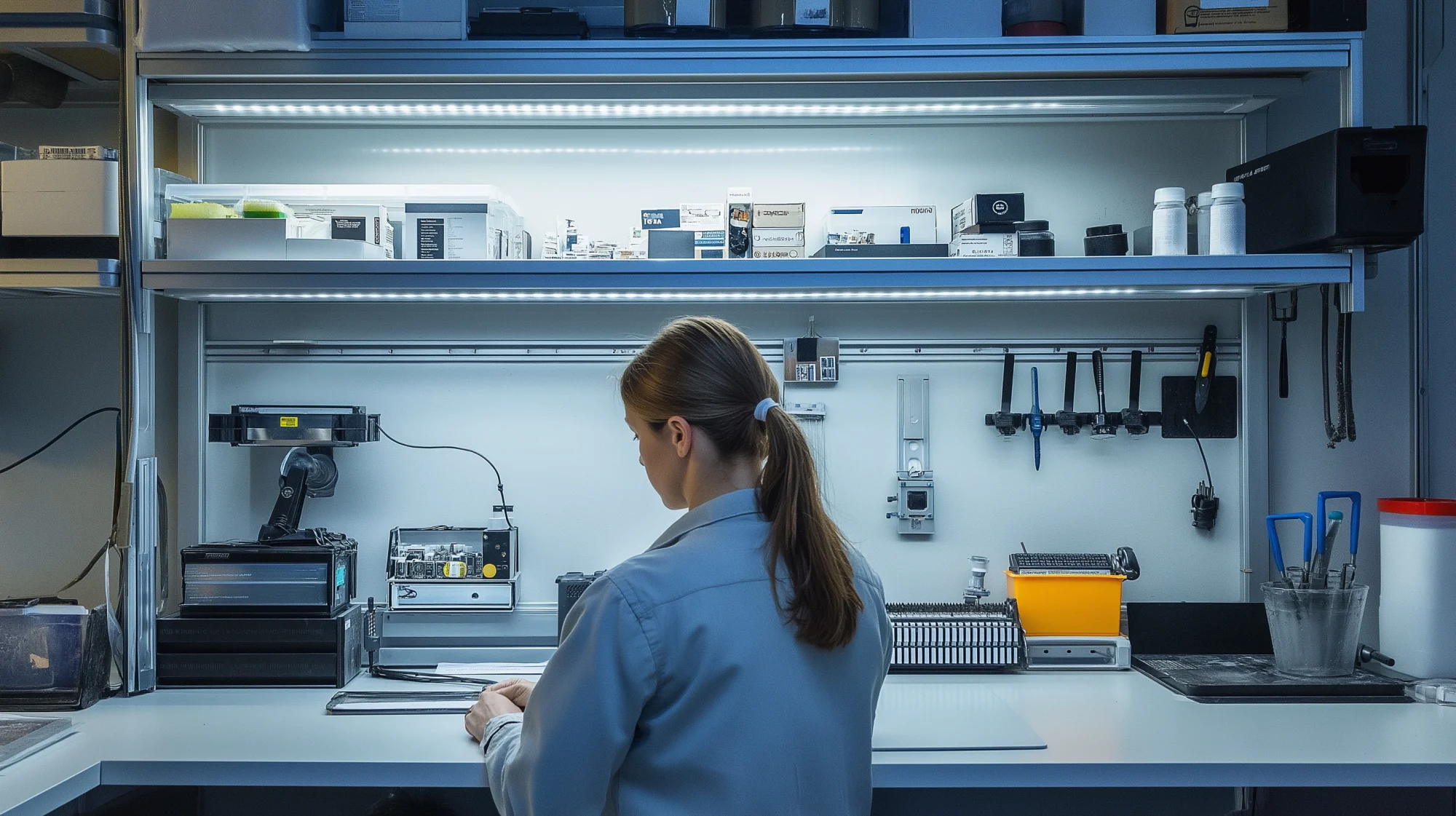
We help you extend the life of lighting systems with long-life, replaceable components and successor guidance, reducing waste and managing lifecycle cost as products and standards change.
We help select long-life, standards-compliant components designed for replaceability, and identify successor products and compatible alternatives as items change. This lets you replace parts rather than whole systems, extending service life and reducing waste. Sharing details of your systems lets us recommend components and a lifecycle approach that keep the installation supportable over time.
Circular thinking focuses on keeping systems in use longer through replaceable, upgradable components and reduced waste, rather than replacing entire installations. We support this by supplying long-life components designed for replaceability and by identifying successor products. Sharing your objectives lets us help specify lighting that supports circular principles while maintaining performance and compatibility.
We support lifecycle management by identifying successor products and compatible alternatives for components affected by obsolescence, regulation or technology change, so continuity is maintained. We can also inform you of relevant changes. Sharing the affected products lets us recommend suitable replacements and future-proof routes that reduce disruption and keep systems supportable.
When lighting is specified for replaceability and long life, systems stay supportable, waste falls and lifecycle costs improve.
Longevity
Long-life, standards-compliant components selected to extend system life and reduce replacement.

Replaceability
Components chosen for replaceability, so parts can be changed rather than whole systems.
Successors
Successor and compatible-alternative identification to manage obsolescence and maintain continuity.

Waste
Guidance that reduces waste and lifecycle cost by extending system life sensibly.
By specifying long-life, replaceable components and identifying successor products, we help you extend system life, reduce waste and manage lifecycle cost as products and standards change.
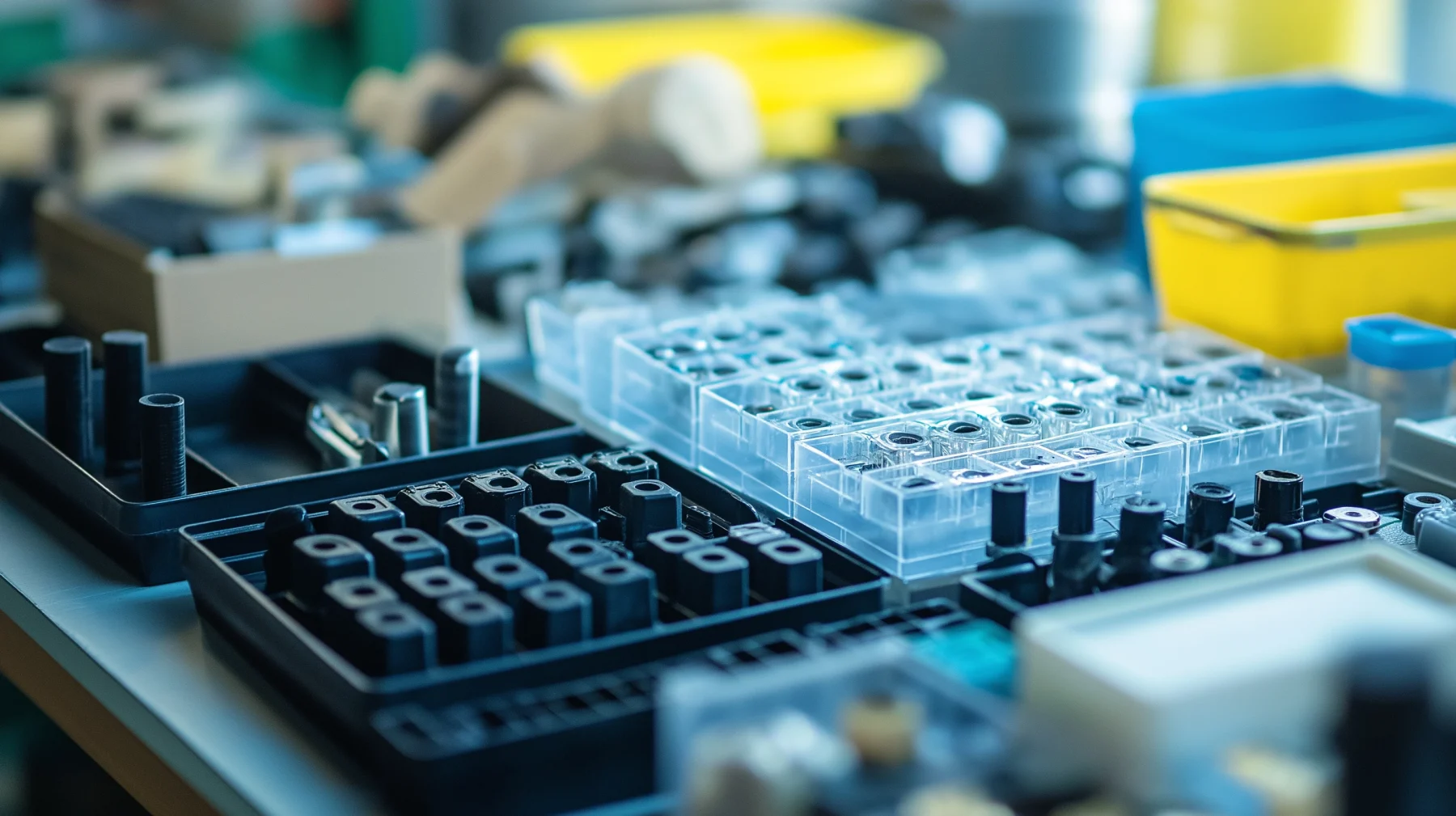
Whole-life lighting management that extends system life, reduces waste and lowers lifecycle costs.
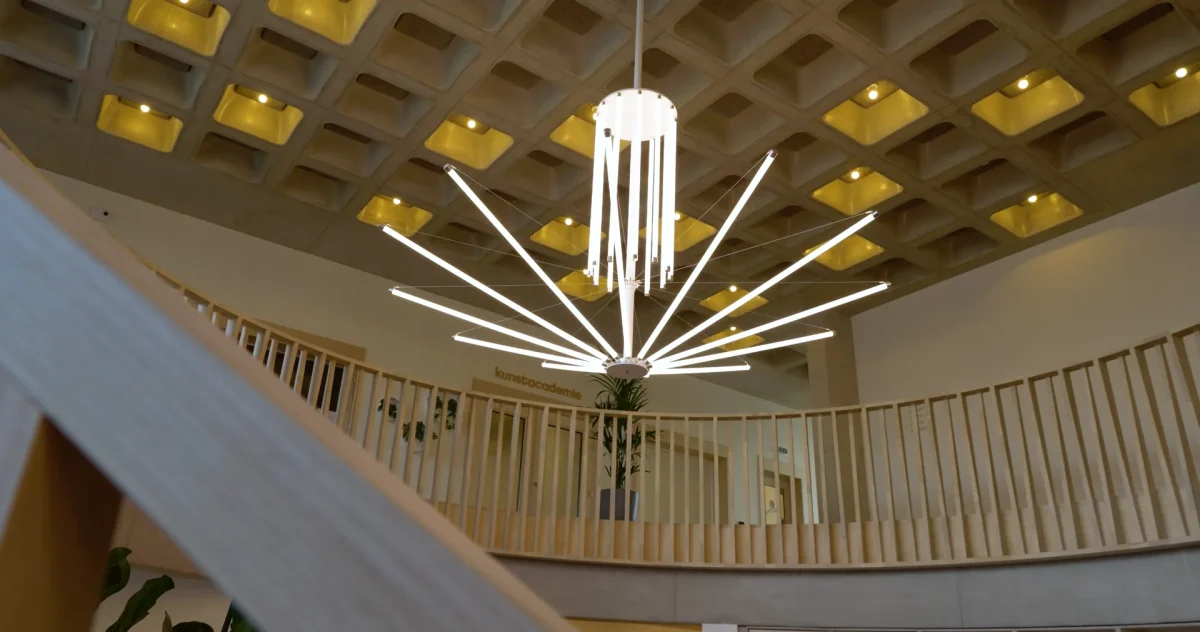
We keep customers informed of relevant industry, regulatory and technology changes and help adapt through successor mapping, compatible alternatives and future-ready, standards-based components. This reduces the risk of being caught out by obsolescence or new requirements. Sharing your systems and longer-term plans lets us recommend an approach that stays supportable and adaptable.
Yes. We support specification using energy-efficient, long-life, standards-compliant components designed for replaceability and future upgrades, which aligns with circular and sustainability goals. We can advise on options that reduce environmental impact while maintaining performance. Sharing your goals lets us help select components that support them across the system’s life.
When components are replaceable and long-life, you change individual parts rather than entire installations, which reduces material waste and can lower lifecycle cost. We help specify components designed for replaceability and identify compatible replacements over time. Sharing your systems and objectives lets us recommend an approach that extends life and reduces waste sensibly.
Yes. Using the original’s output, protocol and format, we identify successor products and compatible alternatives for obsolete components. Where no direct equivalent exists, we explain the closest option and any differences. This lets you replace parts rather than whole systems. Sharing the product code and system details helps us confirm a suitable successor.
We support lifecycle management by identifying replacements and future-proof solutions as products change through obsolescence, regulation or technology shifts. This maintains continuity and reduces disruption. We can also flag relevant changes proactively. Sharing your systems and the affected products lets us recommend suitable successors and a lifecycle approach that keeps installations supportable over time.
We support lifecycle management by identifying successor products and compatible alternatives for components affected by obsolescence, regulation or technology change, so continuity is maintained. We can also inform you of relevant changes. Sharing the affected products lets us recommend suitable replacements and future-proof routes that reduce disruption and keep systems supportable.