Not sure where to start?
Speak to our team and we'll guide you to the right solution
Speak to our team and we'll guide you to the right solution

We help you cut lighting energy use and cost with efficient drivers, LED upgrades and smart controls, supporting sustainability and ESG goals without compromising performance.
Most savings come from replacing inefficient luminaires and gear with efficient LED equivalents, then adding controls such as occupancy sensing and daylight dimming. We help identify compatible, efficient drivers, modules and controls suited to your buildings and hours of use, and can support a phased approach. The savings depend on your current equipment and how the system is configured.
Yes. Reducing lighting energy use lowers consumption and supports carbon reduction, which contributes to ESG and sustainability reporting. We provide energy-efficient drivers, LED upgrades and smart controls, and support product selection aligned to sustainability goals. We can help you choose components that reduce energy while maintaining lighting quality, though measurable outcomes depend on the specific project and baseline.
Often, yes. Controls such as occupancy sensing, daylight dimming and scheduling can add to the savings from an LED upgrade by using light only when and where it is needed. The additional benefit depends on the space, hours of use and configuration. We help select compatible efficient controls and support commissioning for dependable, efficient operation.
When efficient components and smart controls are combined, buildings cut energy use and cost while maintaining lighting quality.
Upgrades
Replace inefficient luminaires and gear with efficient LED equivalents matched to your application.
Controls
Occupancy, daylight and scheduling controls that use light only when and where needed.
Selection
High-efficiency drivers, modules and controls selected to reduce energy without compromising performance.
Sustainability
Product guidance aligned to energy, carbon and sustainability goals across the building.
By combining efficient LED upgrades, smart controls and expert product selection, we help you reduce lighting energy use and cost while supporting sustainability goals.
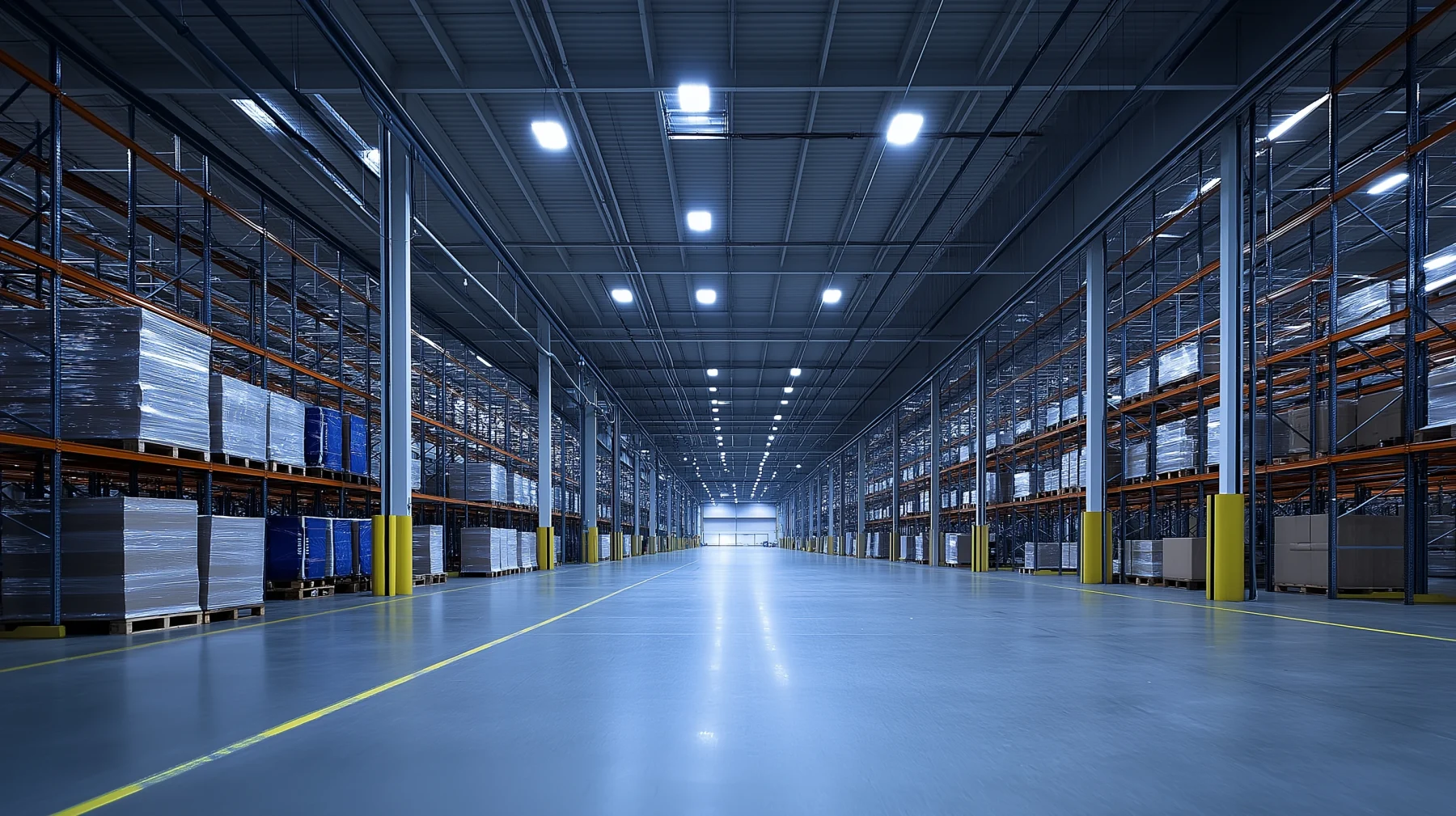
Efficient lighting that reduces energy use, lowers costs and supports sustainability outcomes.
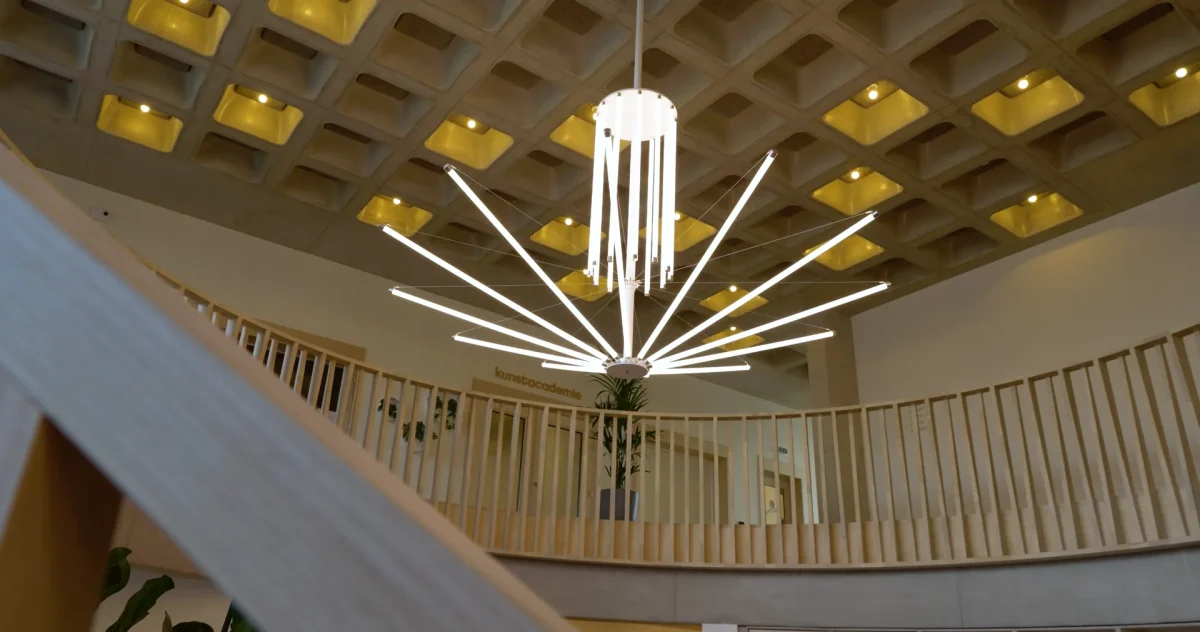
Both can work. A phased approach spreads cost and disruption by prioritising the least efficient or highest-use areas first, while a single upgrade can be more efficient to deliver on some projects. We help identify compatible components and a sensible sequence. Sharing your buildings, priorities and budget lets us suggest a practical, efficient approach.
We support sustainability through energy-efficient products, long-life components and guidance on future-proof, standards-compliant systems, which help reduce consumption and support ESG progress. We do not produce your ESG reports, but reducing energy use provides evidence for them. Share your goals and we can help select components aligned to your sustainability targets.
Occupancy sensing, daylight dimming and scheduling are usually the most effective, because they reduce light output when it is not needed. The best combination depends on the space and how it is used. We help select compatible efficient controls and support commissioning, so the system delivers dependable savings suited to your building.
Yes. By reviewing information about your current lighting – product types, control systems and hours of use – we can help identify where efficiency, controls or upgrades could reduce energy. From this we can suggest compatible efficient components and a sensible order of work. Where a fuller on-site assessment is needed, we can discuss the most practical way to gather the detail.
Savings vary widely depending on what is being replaced, the hours of use and whether controls are added. Replacing older, inefficient lighting with efficient LED and controls can deliver substantial reductions, but the figure depends on the baseline and configuration. We help select efficient components and can outline a realistic expectation for your specific building rather than a generic claim.
Often, yes. Controls such as occupancy sensing, daylight dimming and scheduling can add to the savings from an LED upgrade by using light only when and where it is needed. The additional benefit depends on the space, hours of use and configuration. We help select compatible efficient controls and support commissioning for dependable, efficient operation.