Not sure where to start?
Speak to our team and we'll guide you to the right solution
Speak to our team and we'll guide you to the right solution
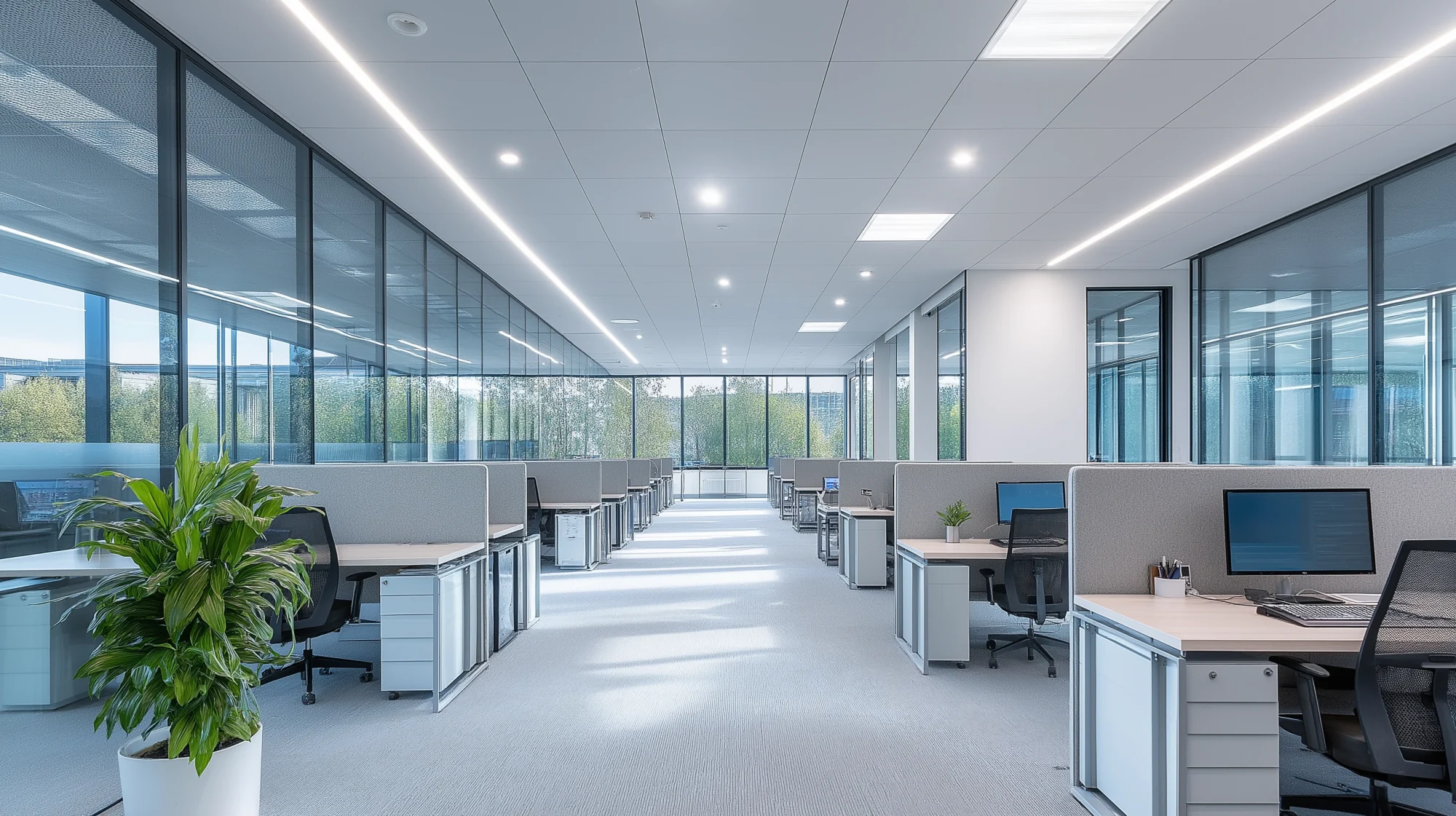
Energy-efficient, well-controlled lighting for offices and commercial buildings, supporting sustainability targets, emergency compliance and flexible, low-maintenance operation.
The biggest gains usually come from replacing inefficient lighting with efficient LED, then adding occupancy sensing and daylight dimming so light is used only where and when needed. We help select compatible efficient drivers, modules and controls and can support a phased retrofit. Savings depend on the current equipment, hours of use and configuration, which we can review with you.
In most cases, yes. Phasing the work by floor or zone and using compatible components – including wireless controls where cabling is difficult – keeps offices operational throughout. We help identify upgrades that minimise rewiring and downtime and can support a staged plan. The right approach depends on the building, occupancy and existing systems, which we can review.
Yes. Lighting can be specified to integrate with a building management system through DALI and compatible interfaces, supporting central control and monitoring. We support the lighting layer’s integration readiness rather than providing the BMS itself. Sharing your control system and objectives lets us help select components with the appropriate protocol support for compatible integration.
Well-designed office lighting improves comfort and productivity while cutting energy use and simplifying day-to-day management.
Comfort
Quality, well-controlled lighting that supports comfort, focus and productivity across office environments.
Control
Occupancy and daylight controls that light spaces only when and where needed, cutting waste.
Efficiency
Efficient components and smart controls that reduce energy use and operating costs across the building.
Integration
Lighting that integrates with wider building systems for central control, monitoring and data.
Offices and commercial buildings need efficient, compliant, flexible lighting that is simple to manage. We partner with manufacturers and teams on complete luminaire solutions, offering design support, site surveys, controls specification, compatibility validation and technical guidance from concept to implementation.
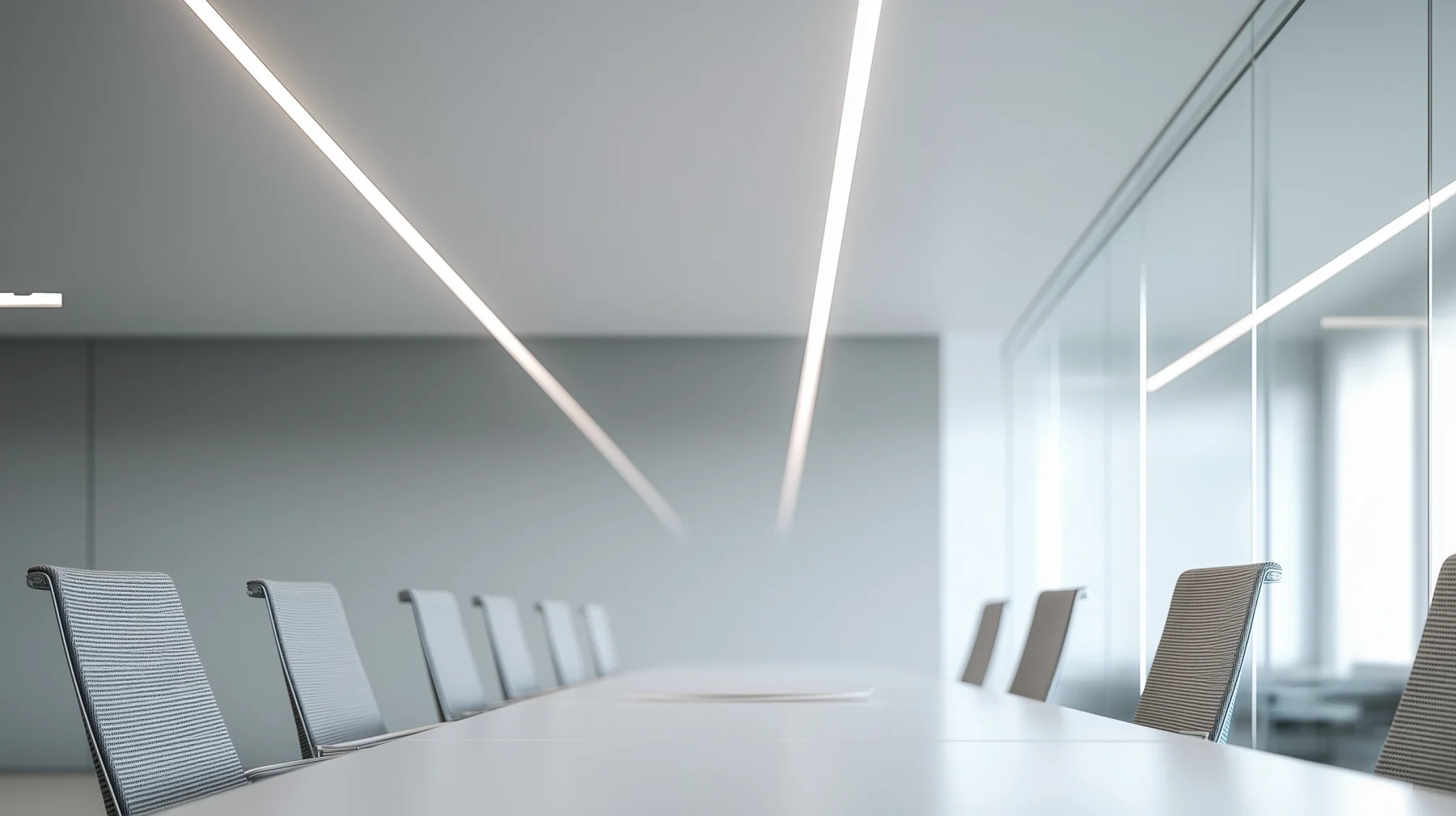
Efficient, compliant office lighting that lowers costs, supports comfort and is easier to manage.
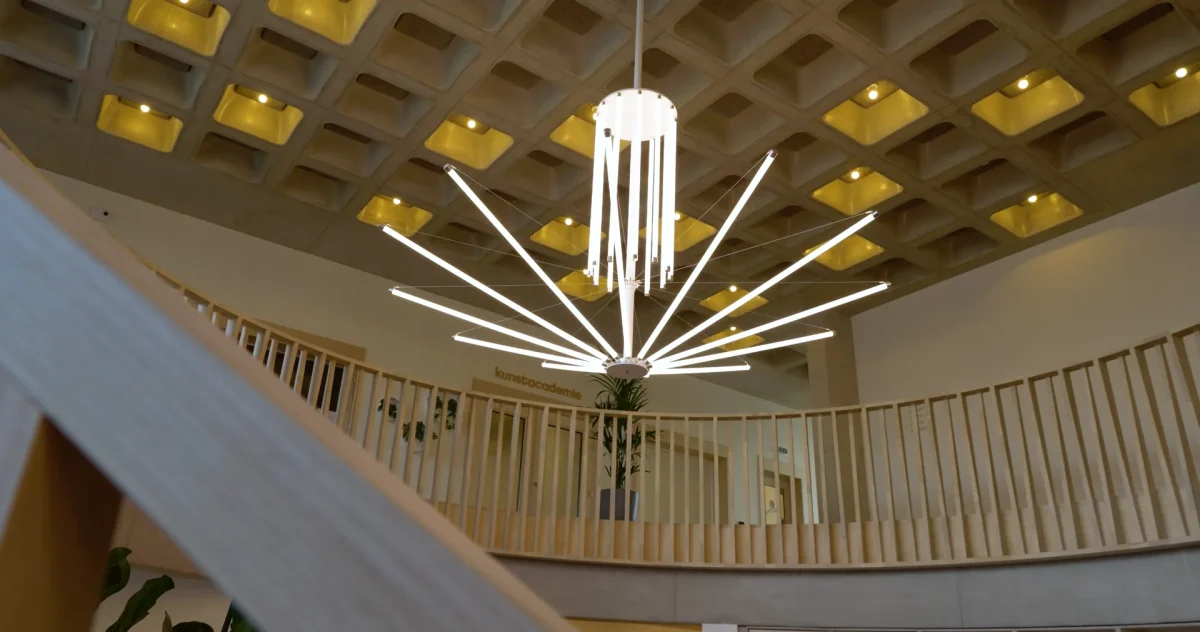
Lighting integrates with a building management system through DALI and compatible interfaces or gateways that connect the lighting control layer to the wider system, supporting central control, monitoring and data. We help specify interoperable components and the interfaces needed, focusing on the lighting layer rather than the BMS itself. Sharing your systems lets us recommend a compatible approach.
Yes. Phasing by floor, zone or priority area spreads cost and disruption and keeps the office operational, with each phase integrating with what remains. We help identify compatible components and a sensible sequence. Sharing your building, priorities and budget lets us outline a practical, phased retrofit that modernises the lighting over time.
They can, often significantly, by dimming or switching off lighting in unoccupied areas such as meeting rooms, corridors and open-plan zones. The benefit depends on how the space is used and how the system is configured. We help select compatible sensors and controls and support commissioning, so the savings are realised reliably in practice.
Yes. We supply emergency systems and controls that support self-test and automated testing with reporting, which reduces manual checks and helps keep records audit-ready across a building or estate. The right approach depends on your existing systems and reporting needs. Responsibility for testing and compliance remains with the responsible person on site.
Often, yes. Compatibility depends on the existing luminaires, drivers and control protocol. We validate compatibility and can identify components or controls that integrate with what is installed, or suitable replacements where needed. Sharing details of the current systems lets us recommend a compatible upgrade with minimal disruption to the working environment.