Not sure where to start?
Speak to our team and we'll guide you to the right solution
Speak to our team and we'll guide you to the right solution
Start with the details of the existing driver and luminaire: output current or voltage, wattage, dimming protocol and physical format. With this information we can help identify a compatible modern or successor driver. Where an exact match no longer exists, we can suggest suitable alternatives and explain any differences in dimming, size or wiring that may affect installation. Confirming module data helps avoid unsuitable substitutions.
Driver and module compatibility depends on matching the module’s forward voltage and current to the driver’s output range, along with the correct dimming method and control protocol. Share the module specification or product code and we can help confirm a suitable driver. Getting this right protects light output, flicker performance and long-term reliability, and reduces the risk of failures or unpredictable dimming once installed.
Constant-current drivers deliver a fixed current and suit most individual LED modules, while constant-voltage drivers supply a fixed voltage and suit strip or multi-module loads wired in parallel. Choosing the wrong type can damage components or cause poor performance. If you are unsure which your luminaire needs, share the module or fixture details and we can help you select the correct driver type.
Choosing the correct driver protects light quality, dimming performance and the long-term reliability of the whole luminaire.
Load Matching
We help match driver output to module voltage and current, protecting performance and avoiding premature failure or flicker.
DALI Compatibility
Guidance on DALI and DALI-2 driver features helps ensure dimming, addressing and commissioning work correctly with your control system.
Replacements
We help identify compatible successor or alternative drivers when an original is discontinued, reducing downtime and avoiding full luminaire replacement.
Programming
Programmable drivers can be configured to set output and behaviour; we can advise on suitable options based on your requirements.
LED drivers regulate the power supplied to LED modules and determine how they dim and perform. The range spans constant-current, constant-voltage, fixed-output, dimmable, DALI and programmable drivers, supporting everything from single luminaires to connected, controllable lighting schemes across commercial buildings.
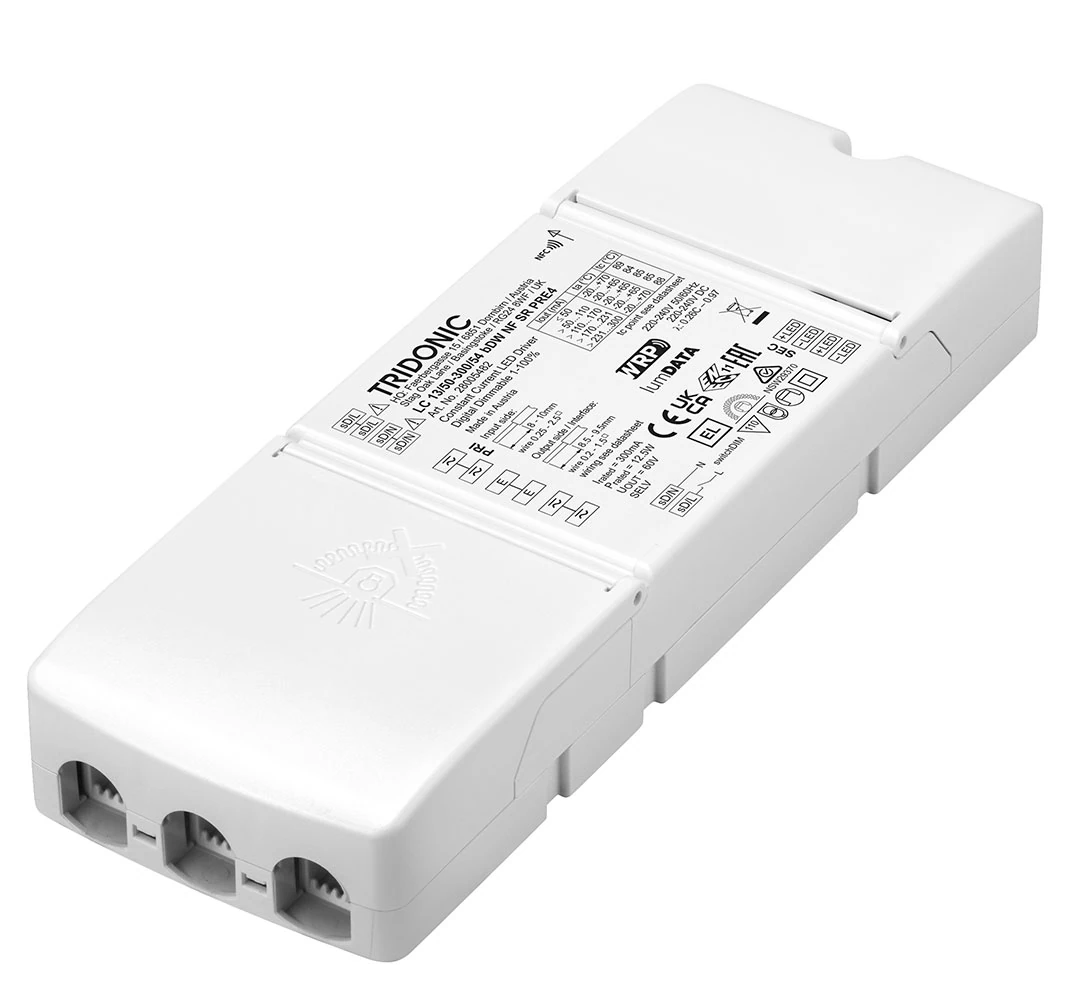
Fixed-current drivers for individual LED modules, matched to output and dimming requirements.
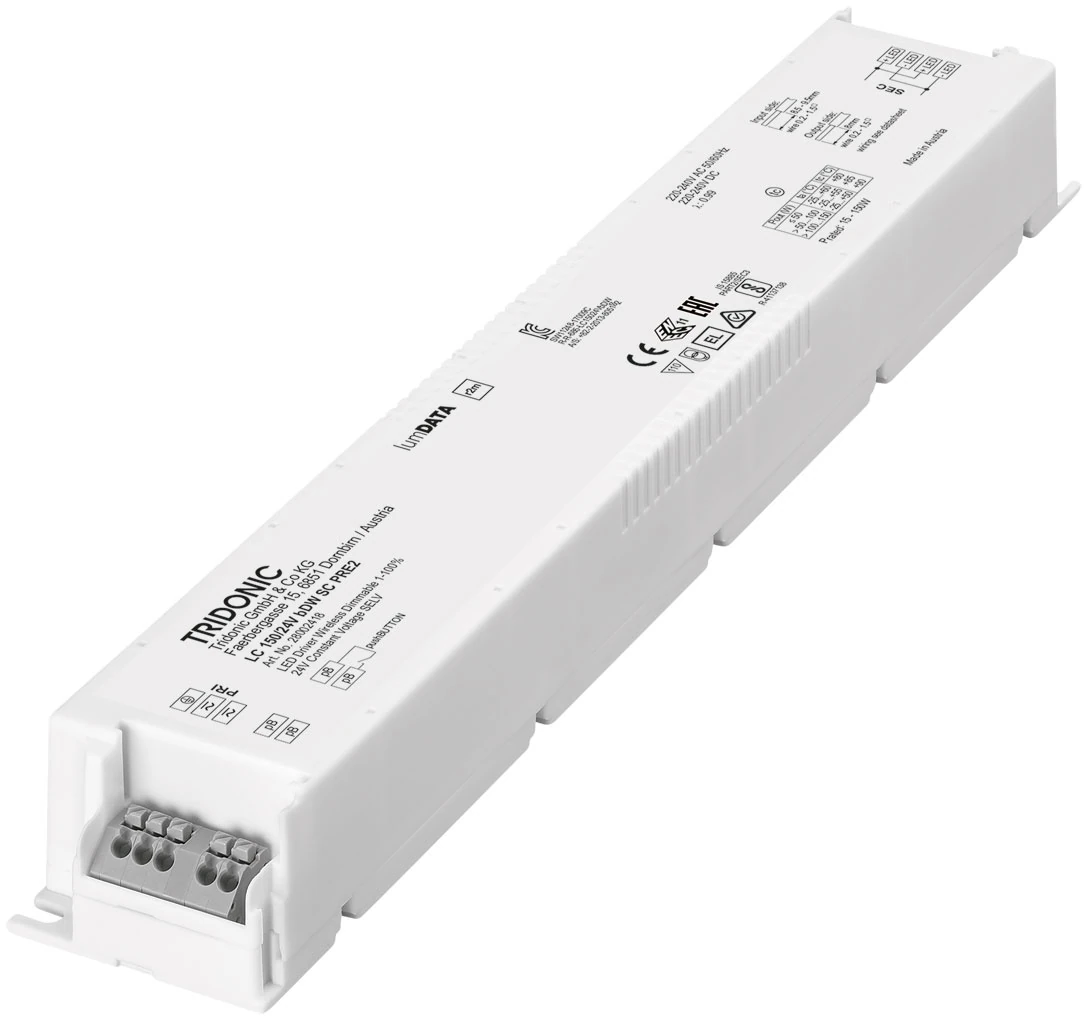
Fixed-voltage drivers for strip and multi-module loads wired in parallel.
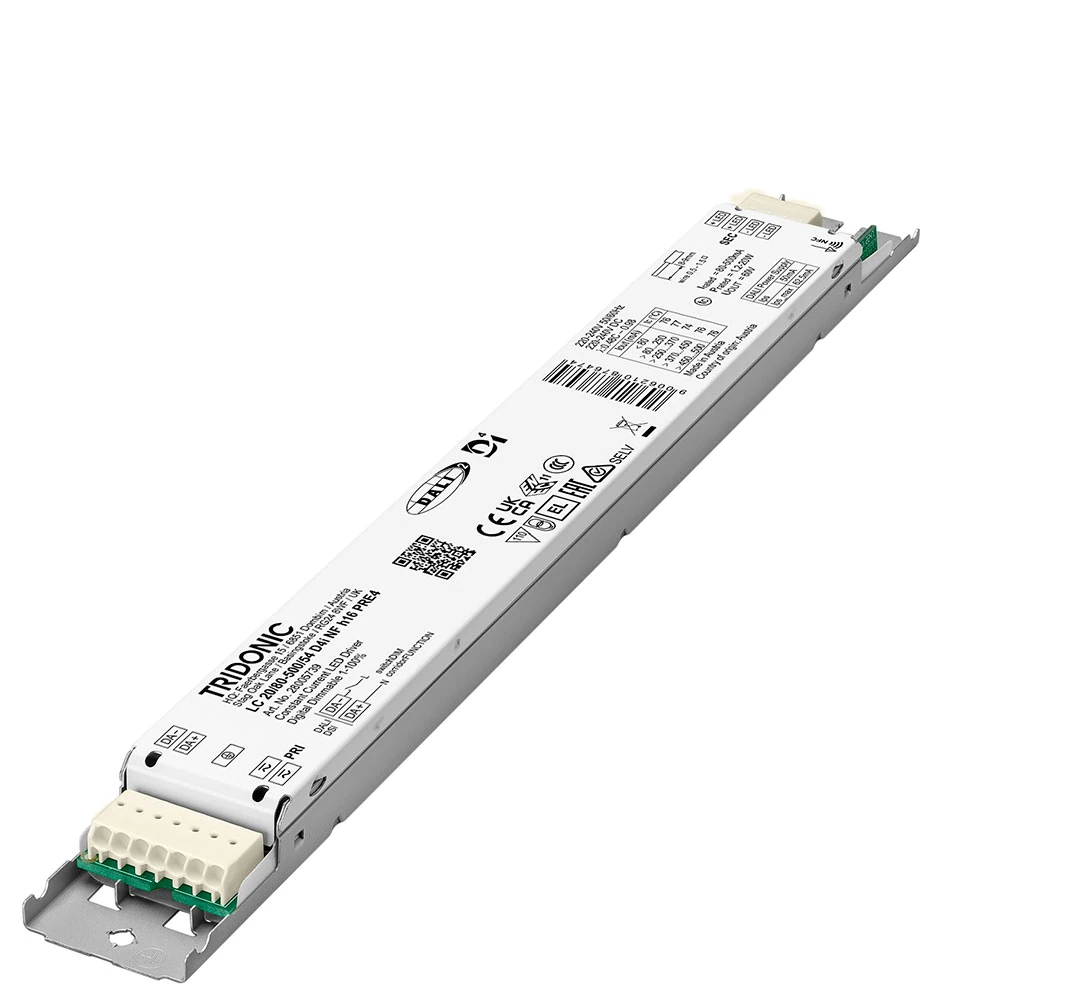
Dimmable and DALI drivers for controllable, connected lighting with predictable commissioning.
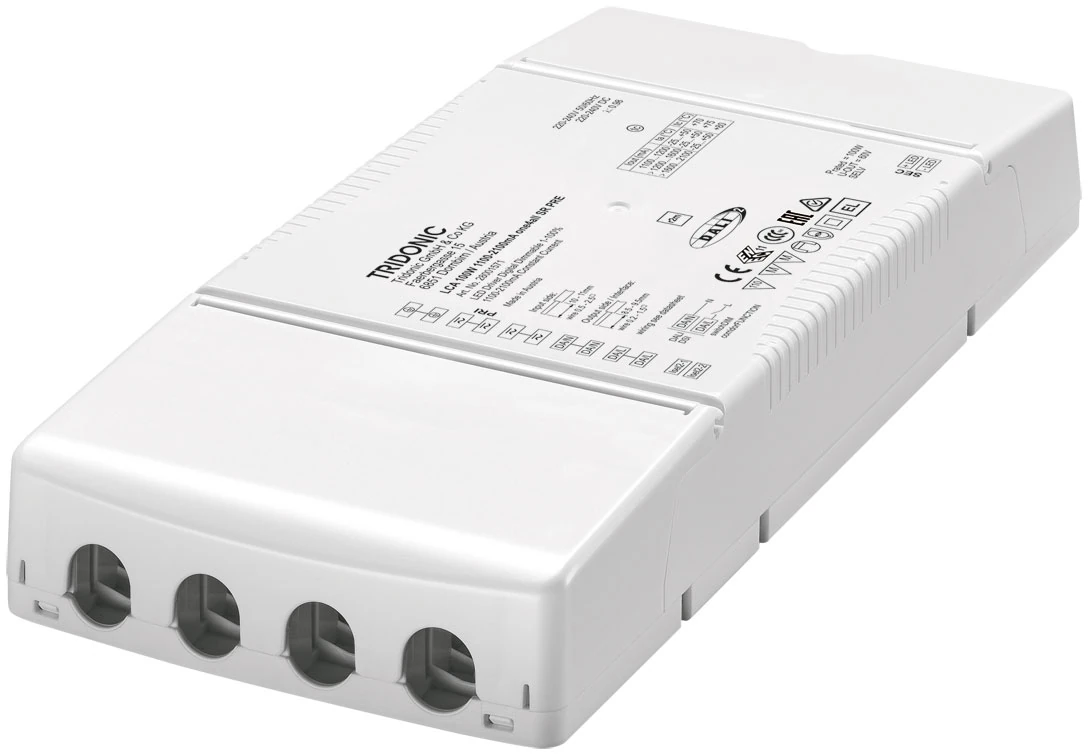
Configurable drivers that can be set to specific output and operating parameters.
The right LED driver protects performance, simplifies replacement and keeps your lighting running reliably.
Driver selection depends on module data, dimming method, control protocol and physical constraints. Share your module specification, product code or existing driver details, and we can help identify a suitable driver, subject to compatibility checks.

In many cases, yes. When an original driver is no longer available, we can help identify a compatible successor or alternative based on the output, dimming protocol and module details. Where a direct equivalent does not exist, we can explain suitable options and any differences that may affect fit or wiring. Sharing the existing driver code and luminaire information helps us confirm the most suitable route.
The most useful details are the LED module’s forward voltage and current or wattage, the required dimming method and control protocol, the number of modules per driver, and any size or wiring constraints. For a replacement, the existing driver’s product code is valuable. With this information we can help match a suitable driver and flag anything that may need checking before installation.
Many Tridonic drivers support DALI and DALI-2, but features vary between products. The correct choice depends on the functions your control system requires, such as addressing, dimming behaviour and feedback. Tell us about the control system and luminaires involved, and we can help identify drivers with the appropriate protocol support, subject to confirming the full system requirements.
Programmable drivers allow output and certain operating parameters to be configured, which can help standardise performance or match a particular luminaire design. The available settings depend on the specific driver. Share your target output and application, and we can advise on suitable programmable options and what configuration would involve, so you can plan the approach with confidence.
The most common issues come from mismatched output, the wrong dimming protocol or an incompatible physical format. Confirming the module data, control requirements and any replacement details before ordering removes most of this risk. We can review the information with you and help confirm a suitable driver, reducing the chance of returns, delays or unsuitable substitutions on site.