Not sure where to start?
Speak to our team and we'll guide you to the right solution
Speak to our team and we'll guide you to the right solution

Expert guidance, compliant components and reliable supply that protect specification integrity, support compliance and reduce late-stage risk across your projects.
We support early-stage technical validation, so lighting is assessed before late changes occur, and recommend compliant, premium components that protect the design intent. By helping match drivers, modules, controls and emergency products, and supplying technical data and compatibility guidance, we reduce the risk of substitutions or late-stage technical issues undermining the scheme. Sharing your specification early lets us flag anything that needs attention.
Yes. We help specify interoperable, standards-based components – such as DALI – with compatibility guidance across control systems, so lighting integrates cleanly with smart controls and wider building data requirements. We support the lighting layer and its integration readiness rather than acting as a full building management provider. Sharing your control and integration objectives lets us recommend a compatible, future-ready approach.
We recommend components that support compliance and sustainability, including energy-efficient, long-life and standards-compliant products designed for replaceability and future upgrades. We can provide technical data to support specification and explain suitable options for emergency, controls and efficiency. Applicable standards and project requirements must be confirmed for each scheme, but our guidance helps reduce compliance and specification risk early.
Multiple pathways, one connected lighting ecosystem






We support architects with compliant, compatible components, early technical validation and reliable supply that protect specification integrity, reduce redesign risk and help lighting schemes move smoothly from concept to completed building.
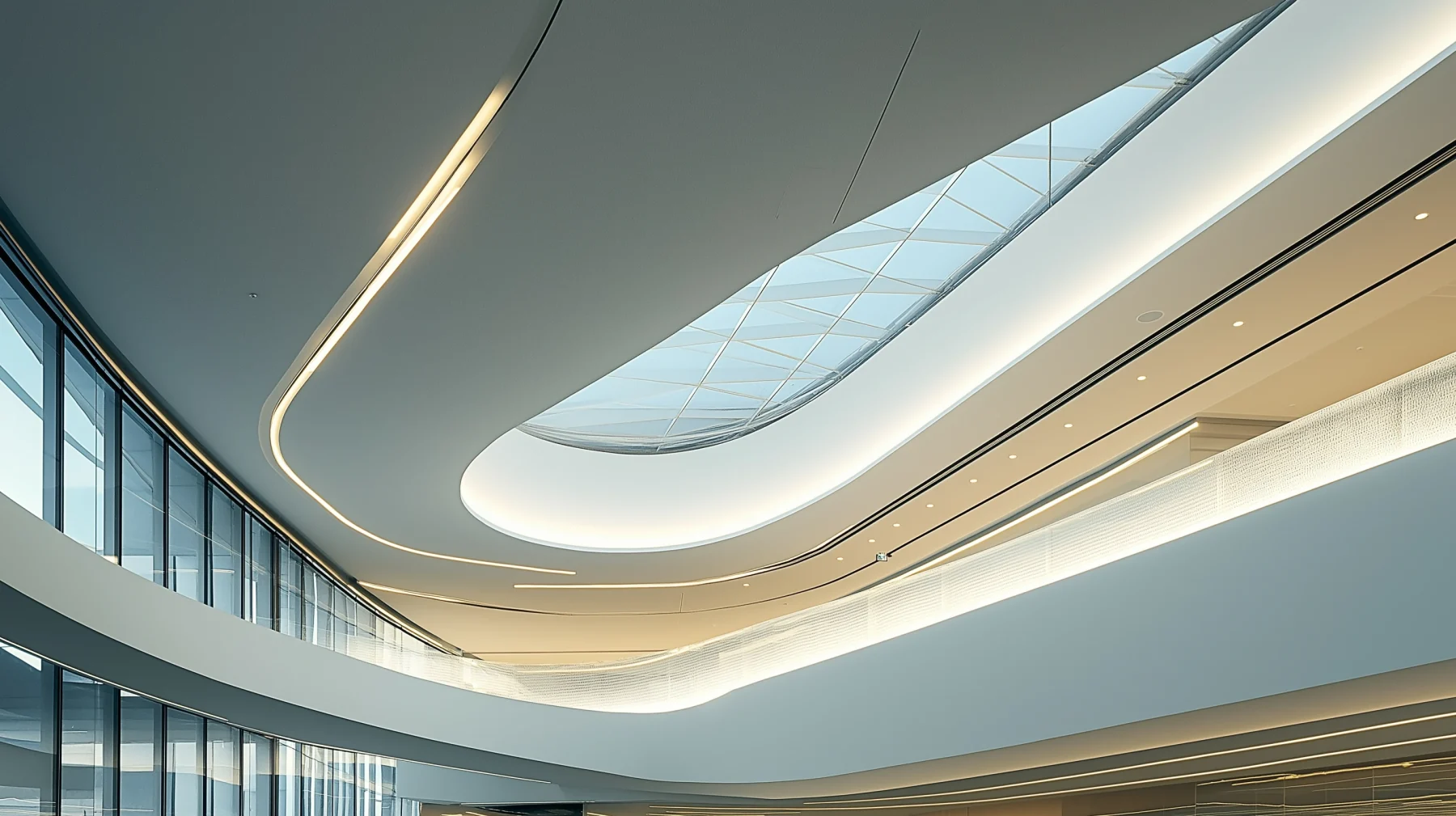
Protect design intent, reduce specification risk and support compliance, backed by reliable stock, expertise and end-to-end guidance.
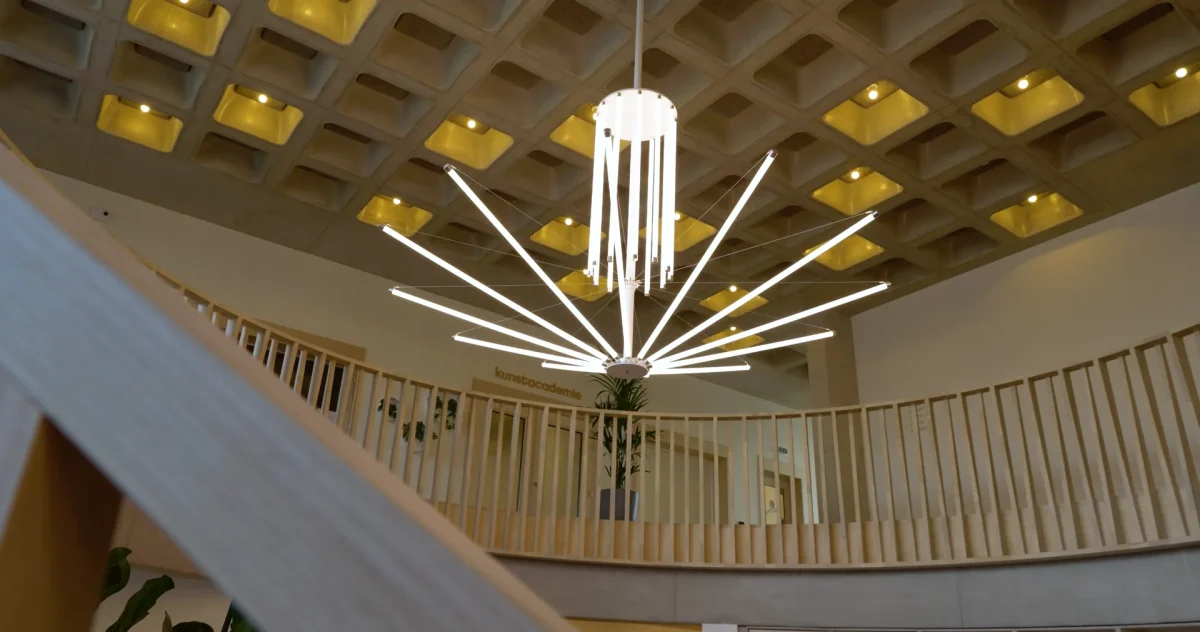
Yes. Early technical collaboration helps integrate lighting smoothly across disciplines and reduces coordination issues later. We can provide compatibility guidance, data and product recommendations during design, helping the team make confident decisions. Involving us early gives the best opportunity to protect design intent and reduce late-stage technical risk.
Yes. We support specification using energy-efficient, long-life and standards-compliant components designed for replaceability and future upgrades, which aligns with circular design principles. We can advise on options that reduce environmental impact while maintaining performance. Sharing your sustainability goals lets us help select components that support them without compromising the scheme.
We specify interoperable, standards-based components such as DALI-2 and provide compatibility validation across control systems, so lighting integrates with smart and data-driven building systems. We support the lighting layer’s integration readiness rather than acting as a full BMS provider. Sharing your smart and data requirements lets us recommend compatible, future-ready components, subject to confirming the wider system.
We can help identify compact, flexible components suited to concealed and low-profile installations, and offer integration guidance so lighting complements the architecture. Suitability depends on the fitting, output and thermal requirements. Share your design intent and constraints and we can suggest suitable components and explain any implications for performance or installation.
Yes. We provide datasheets, wiring diagrams and performance data to support specification and compliance. Tell us the products or application involved and we can supply the relevant documentation, or help identify suitable products from a requirement. Accurate data helps protect the specification and reduces the risk of mismatches during procurement and installation.
Yes. We validate specifications early and recommend compliant, available alternatives, which reduces the risk of substitutions driven by availability, value engineering or compliance issues. By checking compatibility across drivers, modules, controls and emergency components before commitment, we help protect the original design. Sharing your specification early gives us the best opportunity to flag and resolve issues before they affect the programme.